
TRÁMITES EN LÍNEA
INFORMACIÓN ÚTIL
LICITACIONES Y CONTRATISTAS


Noticias

Autopista Central renovó 5.000 luminarias LED para mejorar seguridad en ruta que conecta a 15 comunas de la capital
La nueva iluminación, que representó una inversión de la concesionaria de $1.100 millones,...
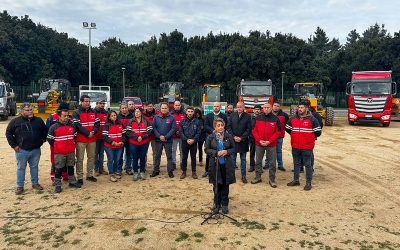
Ministra Jessica López entrega maquinaria por USD$ 1 millón para la Región de la Araucanía
En una actividad junto al encargado nacional del Plan Buen Vivir, Francisco Arellano, y el...

Gabinete Pro Crecimiento y Empleo sesiona en La Araucanía y se reúne con privados para agilizar desarrollo de proyectos
En la instancia encabezada por la ministra del MOP, Jessica López, participó la subsecretaria de...
Concursos de Personal
- Auxiliar de Servicios GeneralesContrata26917273248267
- ADMINISTRADOR(A) DE BODEGAContrata26817273252267
Agenda
- 2024042610:00:00La ministra de Obras Públicas, Jessica López, junto a la delegada presidencial regional, Constanza Martínez, a la jefa de zona de Tránsito, Carreteras y Seguridad Vial de Carabineros, general Marcela González y al director general de Vías Chile, Andrés Barberis, inauguran la nueva iluminación de la Autopista Central, iniciativa que busca reforzar la seguridad en esta ruta en la que circulan más de 100.000 vehículos diariamente.
- 2024042411:45:00La ministra de Obras Públicas, Jessica López, junto al alcalde de Temuco, Roberto Neira, asisten a la inauguración de las obras de la tercera etapa del colector San Martín y la entrega de la nueva Plaza de las Banderas, obra ejecutada por la Dirección de Obras Hidráulicas del MOP.
- 2024042410:00:00La ministra de Obras Públicas, Jessica López, junto al delegado presidencial, José Montalva; el encargado nacional del Plan Buen Vivir, Francisco Orellana, y el seremi de Obras Públicas, Patricio Poza, encabezan la entrega de nuevas maquinarias a la Dirección de Vialidad para la Región de la Araucanía con una inversión de más de un millón de dólares para mejorar caminos en la zona.
Documentos
- Transición Hídrica de Chile – Banco Mundial
- Vallas Camineras Buen Vivir 2022 (PDF)
- Vallas Camineras Buen Vivir 2022 (AI)
- Plan Mejores Obras para Chile 2050
- Plan Mejores Obras para Chile 2050 (mapas)
- Política Ambiental MOP
- Plan de Adaptación y Mitigación 2017-2022 de los Servicios de Infraestructura al Cambio Climático
- Estrategia Nacional de Recursos Hídricos
- Reglamento del Consejo de la Sociedad Civil
- Sistema de Concesiones en Chile 1990-2003
Proyectos
Inversión nacional
y extranjera en Infraestructura
CHILE, PAÍS DE OPORTUNIDADES DE INVERSIÓN EN INFRAESTRUCTURA
>English version
>Chinese version
Compromisos de
Gestión Institucional
Registro de Contratistas
y Consultores
Registro Nacional
de Trámites
Registro de Operadores
Servicios Sanitarios Rurales
Participación
Ciudadana